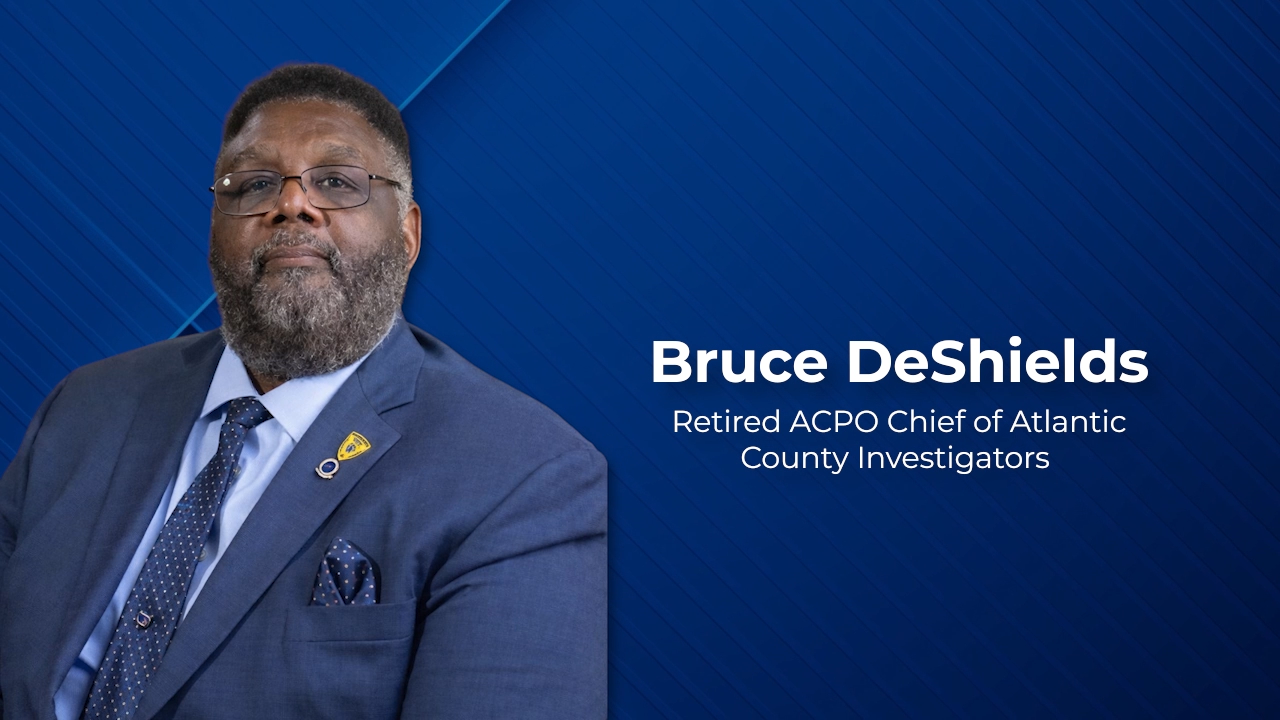
Bruce DeShields on Active Listening, High Stakes Negotiation, and Building Real Security That Holds Up Under Pressure
Listen to this episode
About this episode
Bruce DeShields has spent more than four decades working where stress, emotion, and split-second decisions collide. In this episode, Ryan sits down with Bruce, a decorated law enforcement leader and certified FBI crisis hostage negotiator, to unpack what he learned across homicide investigations, negotiation work, and rising through the ranks to Chief of County Detectives.
Bruce shares how a childhood moment watching police cars fly past sparked his interest in law enforcement, and how the “journey” of the work shaped his philosophy on leadership and opportunity. A recurring theme is simple but powerful: stress makes people do things they never thought they would, and the fastest way to de-escalate is often to slow things down and truly listen.
You’ll hear Bruce break down what negotiation really is, why the first person on the phone usually gets the worst of it, and how “active listening” changes outcomes. He also shares what he loved most about homicide work, why interviewing is the skill that cracks cases, and a memorable story about spotting stress signals during an interrogation.
Bruce also talks about his transition into the private sector with Superior Security Consultants, a firm he co-founded with fellow law enforcement veterans to provide armed and unarmed security, assessments, investigations support, and speaking. The conversation closes with lessons for young officers, practical mentoring advice for students entering the workforce, and a personal reflection on the person he’d most want to have dinner with again.
Why stress is the hidden engine behind so many bad decisions
The difference between talking to someone vs talking at someone
How active listening works in real crisis situations
Why great detectives obsess over interviewing and body language
What makes a career last 40+ years without losing the love for the job
What businesses get wrong about “security” and how to assess real risk
Links Mentioned
If you enjoyed this episode, please subscribe and leave a review. Your support helps us continue sharing the stories of leaders who are building lasting impact across industries.